
As the rainy season advances, the government of Alix Didier Fils-Aimé has still undertaken no intervention to dredge the river or encourage residents to relocate ahead of the hurricane season. The river killed dozens of citizens last year
More than two months before Hurricane Melissa struck, municipal officials in Petit-Goâve had warned the government of Alix Didier Fils-Aimé about the dangers posed by the La Digue River.
The Fils-Aimé government did nothing, and the hurricane killed 43 people in Haiti, including 25 in Petit-Goâve, around the undredged river whose residents had not been evacuated.
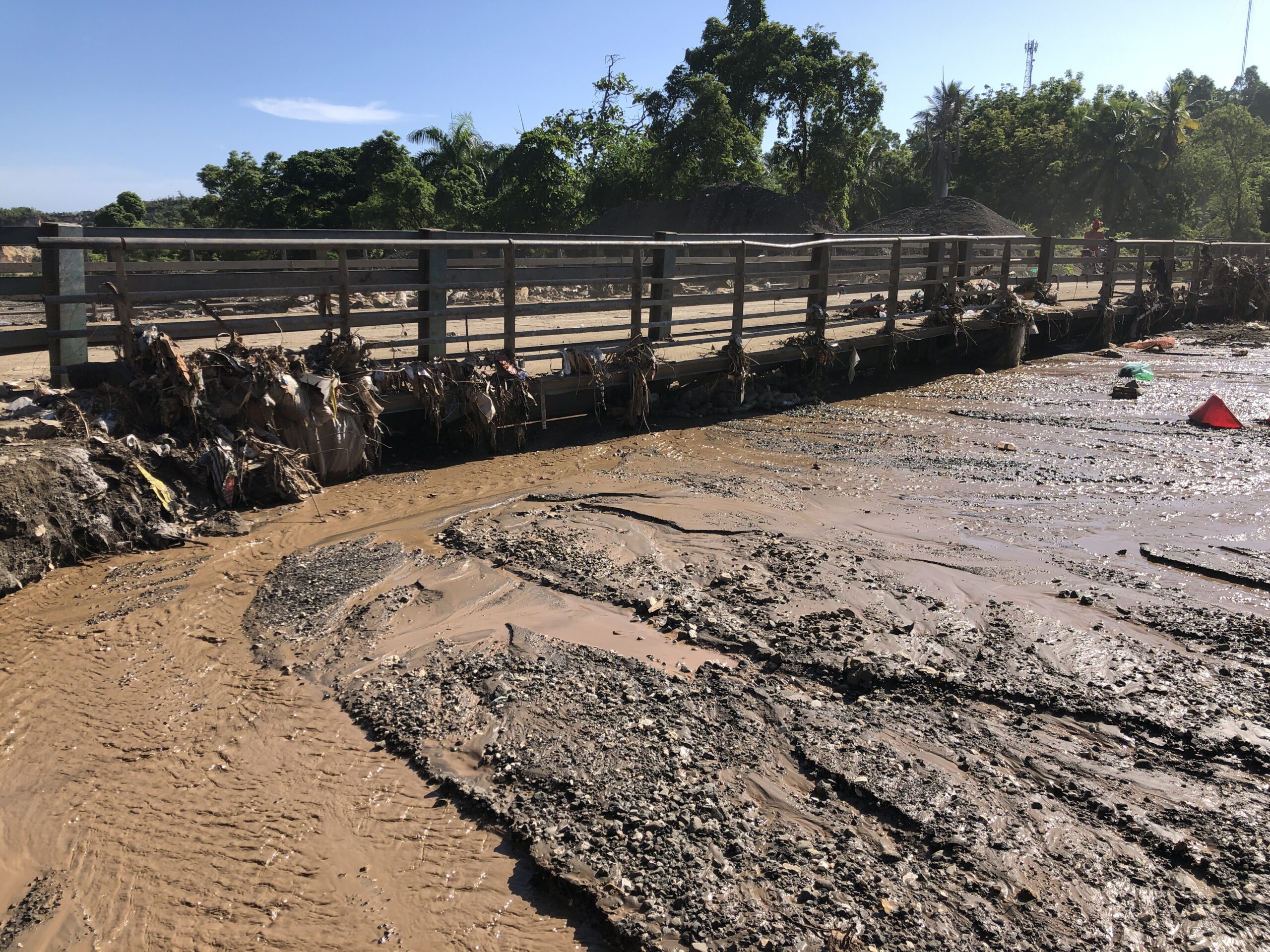
The new hurricane season is expected to begin next June. The government has still carried out no intervention at La Digue, seven months after Melissa passed through, according to local officials.
In a letter addressed to the Prime Minister on March 9, the administrative council of the twelfth communal section asked the government to assist the population and proceed with dredging the La Digue River, which remains obstructed by sediment and waste.
The victims, the document obtained by AyiboPost states, now find themselves “without shelter or identification documents.”
“So far, no environmental or social recovery work has been undertaken to protect the rest of the population,” warns Nosalito Soliman, president of the administrative council of the twelfth communal section. Some NGOs did intervene, he continues, but due to a lack of coordination with local authorities, the aid did not reach the real victims.
National Road No. 2, the main route linking Petit-Goâve to the departments of Nippes, Sud, and Grand’Anse, remains covered with mud and pools of water after being flooded repeatedly by the river’s overflowing waters, prompting some drivers to avoid it.
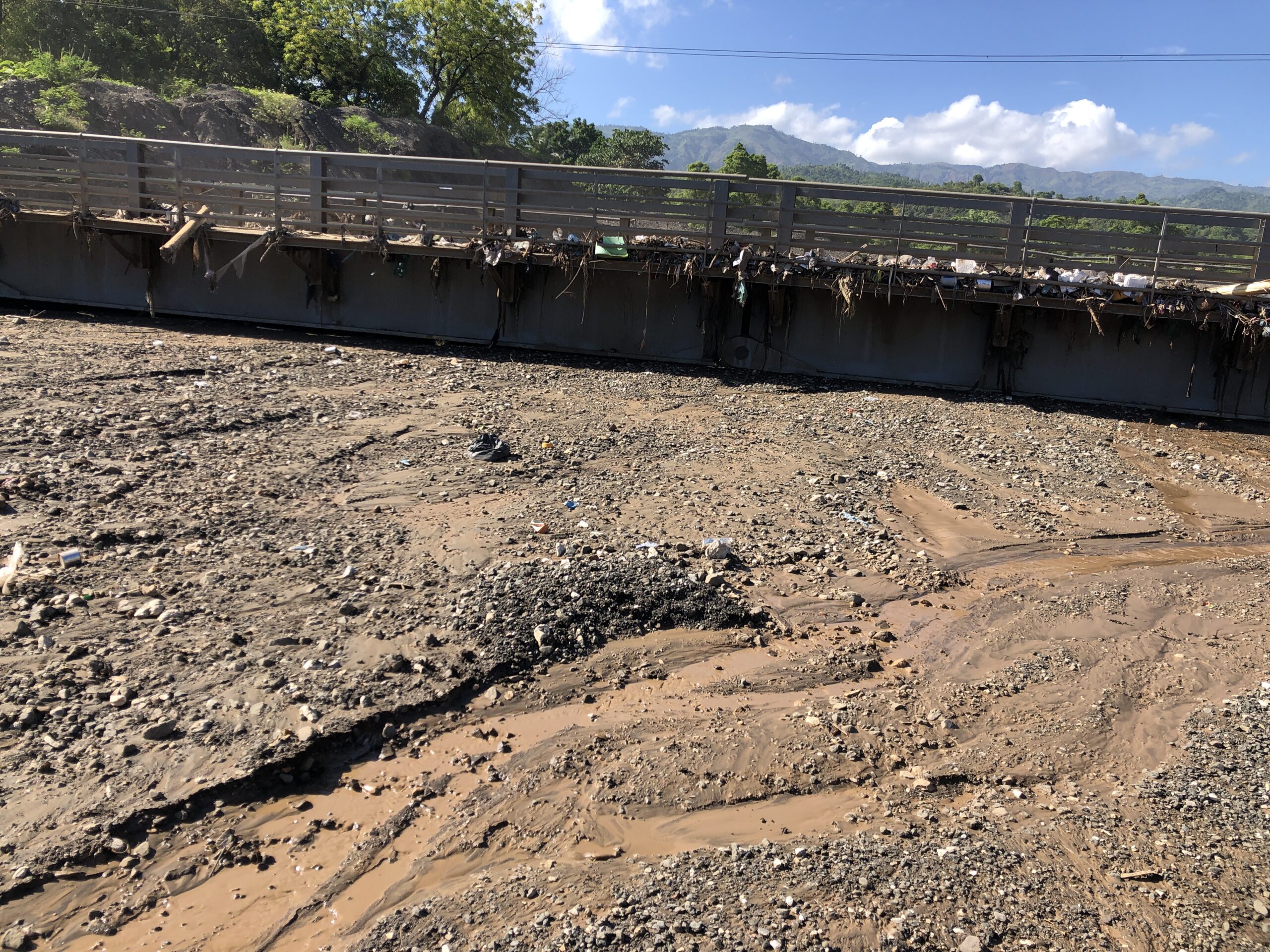
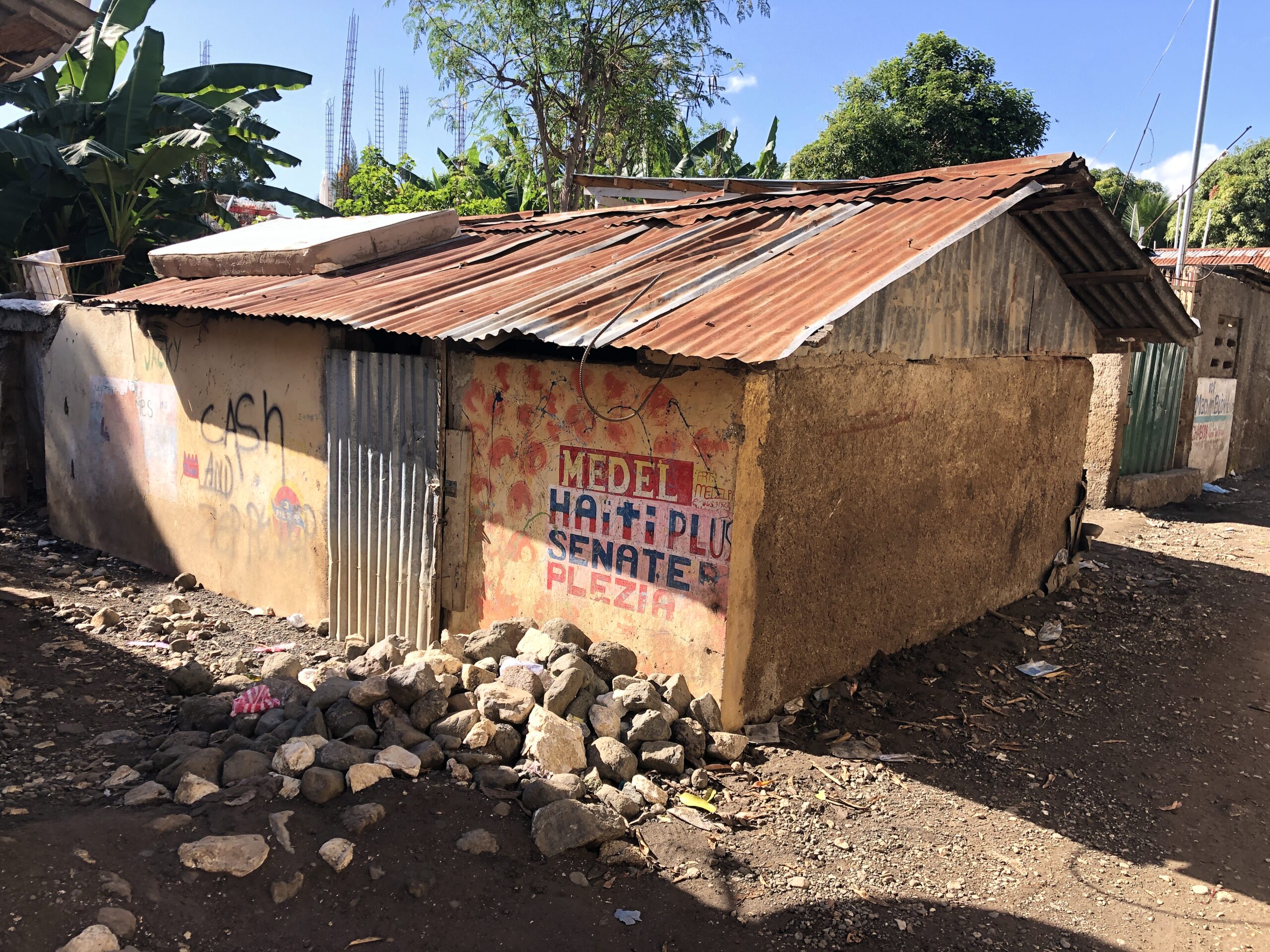
While awaiting state intervention, several hurricane victims have decided to return and settle along the riverbanks despite the ongoing risks.
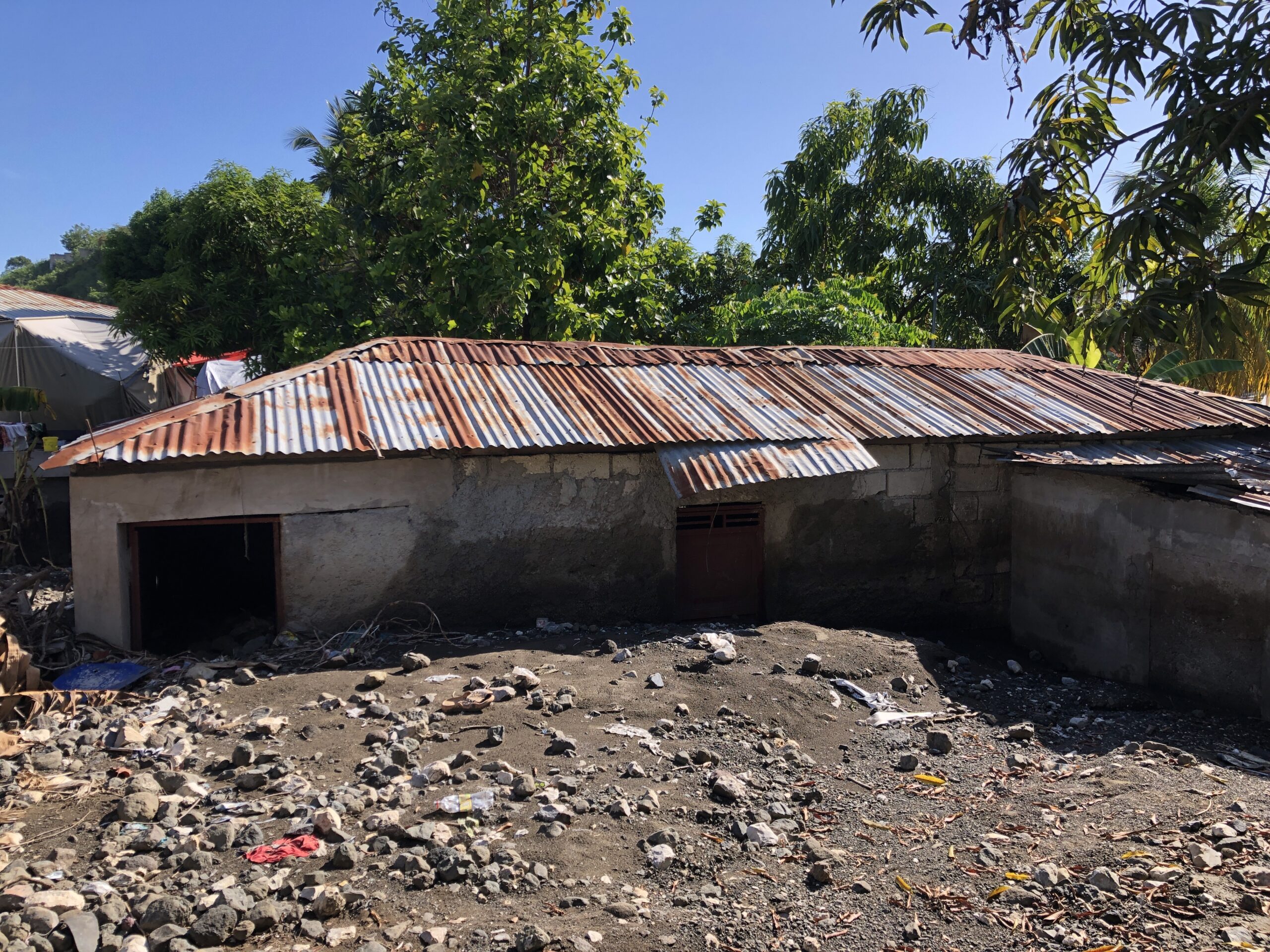
The eye of Category 5 Hurricane Melissa did not make landfall in Haiti. But the disaster still caused the destruction of hundreds of homes during the night of October 28 to 29, 2025. The waters of La Digue also swept away the livestock of many farmers.
Haiti recorded the highest death toll in the entire region.
Sendy Raymond, a victim of the disaster in Petit-Goâve, told AyiboPost that she has received no assistance from the state since the tragedy.
“I have almost nothing to eat, and it’s candy that I give my baby when he’s hungry,” Raymond confided to AyiboPost, speaking from the small room where she and her three-month-old infant are being housed by a good Samaritan.
The young mother, who was pregnant with her baby at the time, was sleeping when the river waters violently swept her away before neighbors rescued her at dawn on October 29.
For her part, Saïna Jules, another survivor whose home was flooded, says she was forced to return and live with her family in the immediate vicinity of the La Digue River.
AyiboPost had already revealed, in a previous investigation, that several letters sent to central authorities before the October 2025 disaster, requesting dredging work on the waterway, had gone unanswered.
According to local authorities consulted by AyiboPost during that investigation, such work would have helped limit the scale of the damage.
Several trips recently announced by central authorities to the commune ultimately never took place.
“At least three delegations from the central government announced last month never arrived in Petit-Goâve,” Ary Saint-Jean, communications director for the city hall, told AyiboPost.
According to the official, a helicopter malfunction as well as poor weather conditions prevented the visits.
In the first weeks following the hurricane, several local organizations mobilized to assist disaster victims.
But for about four months now, that mobilization has gradually faded, leaving many families who lost their belongings in a precarious situation.
In such a context, Charles Paul Fleurimé, head of civil protection for the twelfth section, explained to AyiboPost that the risks of another disaster remain high as long as no reforestation or gabion construction work is carried out along the river.
In mid-April 2026, major flooding was once again recorded in Petit-Goâve after the La Digue River overflowed, causing homes and part of National Road No. 2 to be inundated with sediment.
No loss of life was recorded, however, Ronald Louis, the communal civil protection coordinator, told AyiboPost.
Exasperated by what they consider the authorities’ negligence, residents living near the river demonstrated in the streets of Petit-Goâve on April 13 to demand urgent state intervention to prevent another disaster.
AyiboPost contacted Ene Val, a government spokesperson, who said he had been informed of the La Digue River situation by AyiboPost. He referred the outlet to the Minister of Public Works, Joseph Almathe Pierre Louis. AyiboPost was unable to reach him before publication.
While visiting the Grand Sud region, Joseph Almathe Pierre Louis went to the banks of the La Digue River on May 19 as part of what he described, before journalists’ cameras, as an unofficial “prospecting visit” intended, according to him, to prepare a “rapid” state intervention.
In an interview with local journalists, the minister specified that he carried out the visit in the absence of local authorities.
The management of a shipment intended for disaster victims is also drawing criticism.
An AyiboPost investigation conducted last April revealed that officials from the former municipal council are accused of diverting a relief shipment containing 1,500 bags of food products and hundreds of kits from civil protection services.
Similar practices were also reportedly observed within certain organizations operating in the area, according to Nosalito Soliman.
In a statement published on April 27, 2026, and reviewed by AyiboPost, the official denounced alleged acts of corruption and the diversion of humanitarian aid attributed to certain NGOs in the commune.
Contacted by AyiboPost, Soliman preferred not to disclose the names of these organizations for what he called “security reasons.”
Meanwhile, residents continue to live under the constant threat of new flooding.
By : Wesker Sylvain & Wilder Sylvain
► AyiboPost is dedicated to providing accurate information. If you notice any mistake or error, please inform us at the following address : hey@ayibopost.com
Keep in touch with AyiboPost via:
► Our channel Telegram : Click here
►Notre Channel WhatsApp : Click here
►Our Community WhatsApp : Click here






Comments